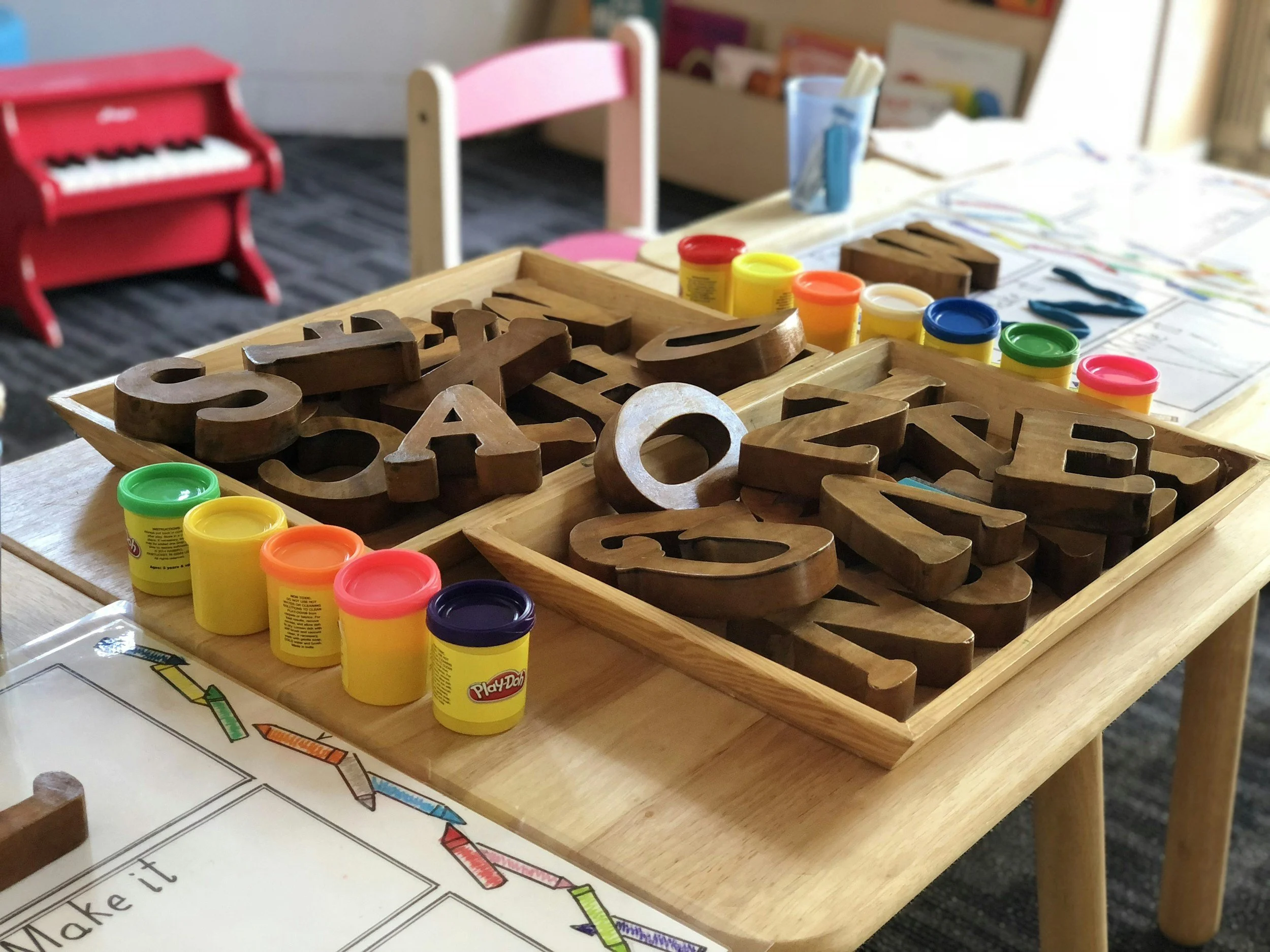
Developmental Classroom (K–2)
A small, structured, sensory-friendly classroom that blends academics with communication, social, and daily-living goals—tailored for exceptional learners ready for small-group learning.
Program Overview
-
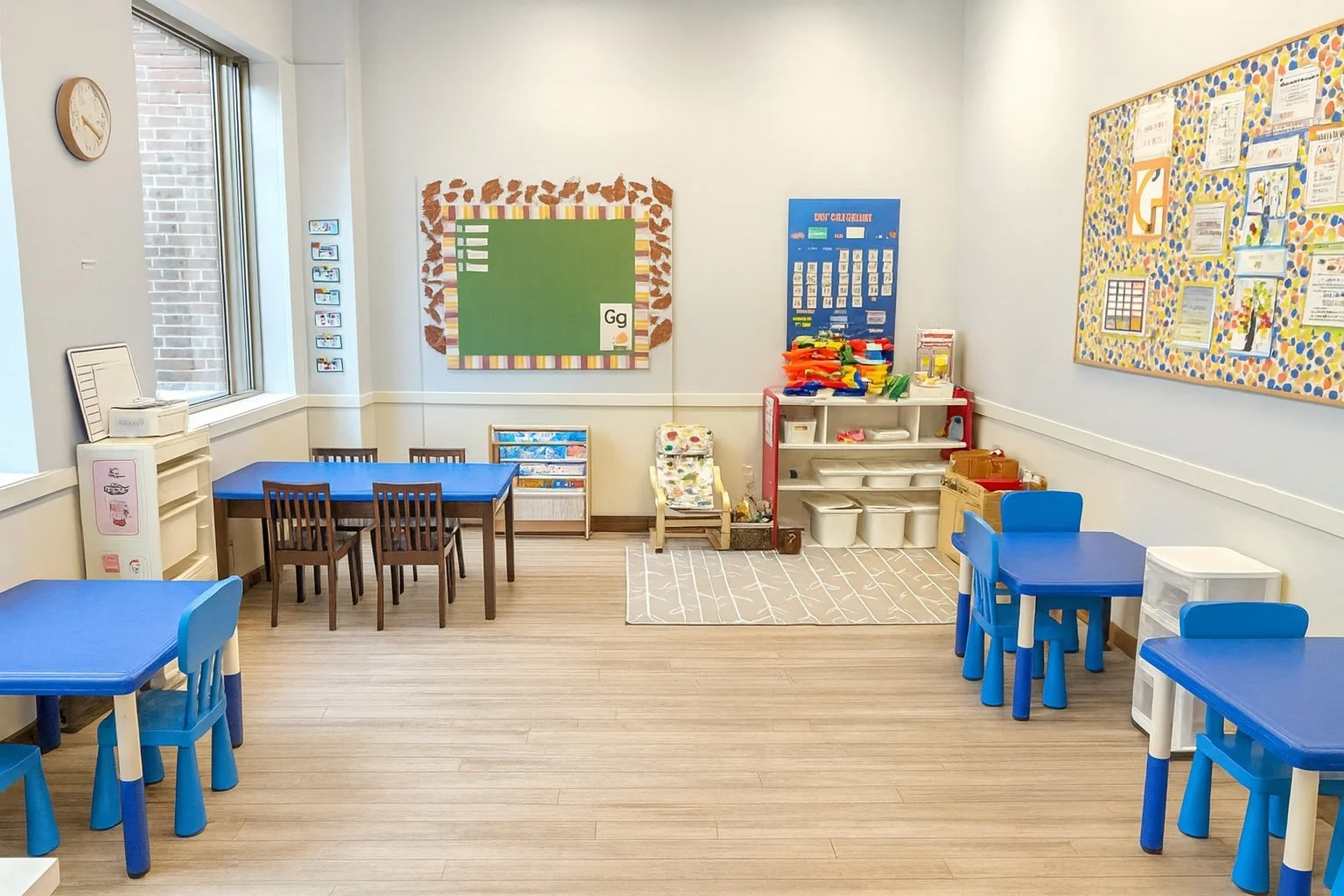
What is the Developmental Classroom?
The Developmental Classroom is a low-ratio ABA-based classroom. This school-year program (September–June) offers the option of extended summer services to help children maintain progress and continue growing year-round.
-
Who is it for?
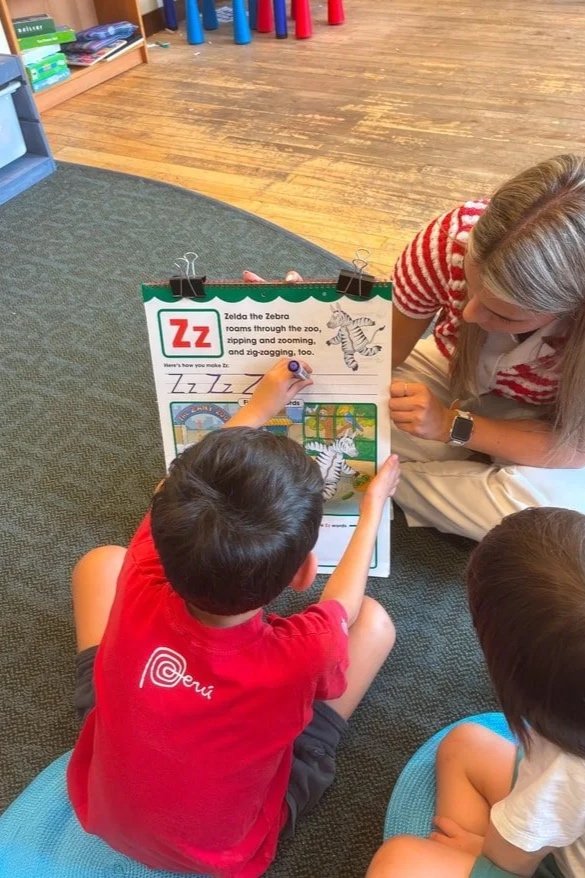
This program is designed for children in Kindergarten to Grade 2 who learn best through an individualized approach and are ready to participate in small-group learning. It’s a great fit for children who have developed core skills and can learn safely, confidently, and happily alongside peers.
-
What happens day-to-day?
Children follow a structured school-day routine that includes morning circle, academics (literacy and math), individual goal instruction, social-emotional learning, snack, physical education, recess, lunch, art, and group story time. Music class takes place every week.
Program Snapshot:
Mon–Fri 9:00–3:00 • Small class, low ratio (6:3) • Onsite RBA • SLP weekly • OT monthly • School-year (Sept–Jun) • Transition-to-school support.


Benefits
-
A learning plan is created with your family and the RBA, guided by assessments, your child’s needs, and what motivates and interests them.
-
Low ratios and small class size to support attention, engagement, and success in a group.
-
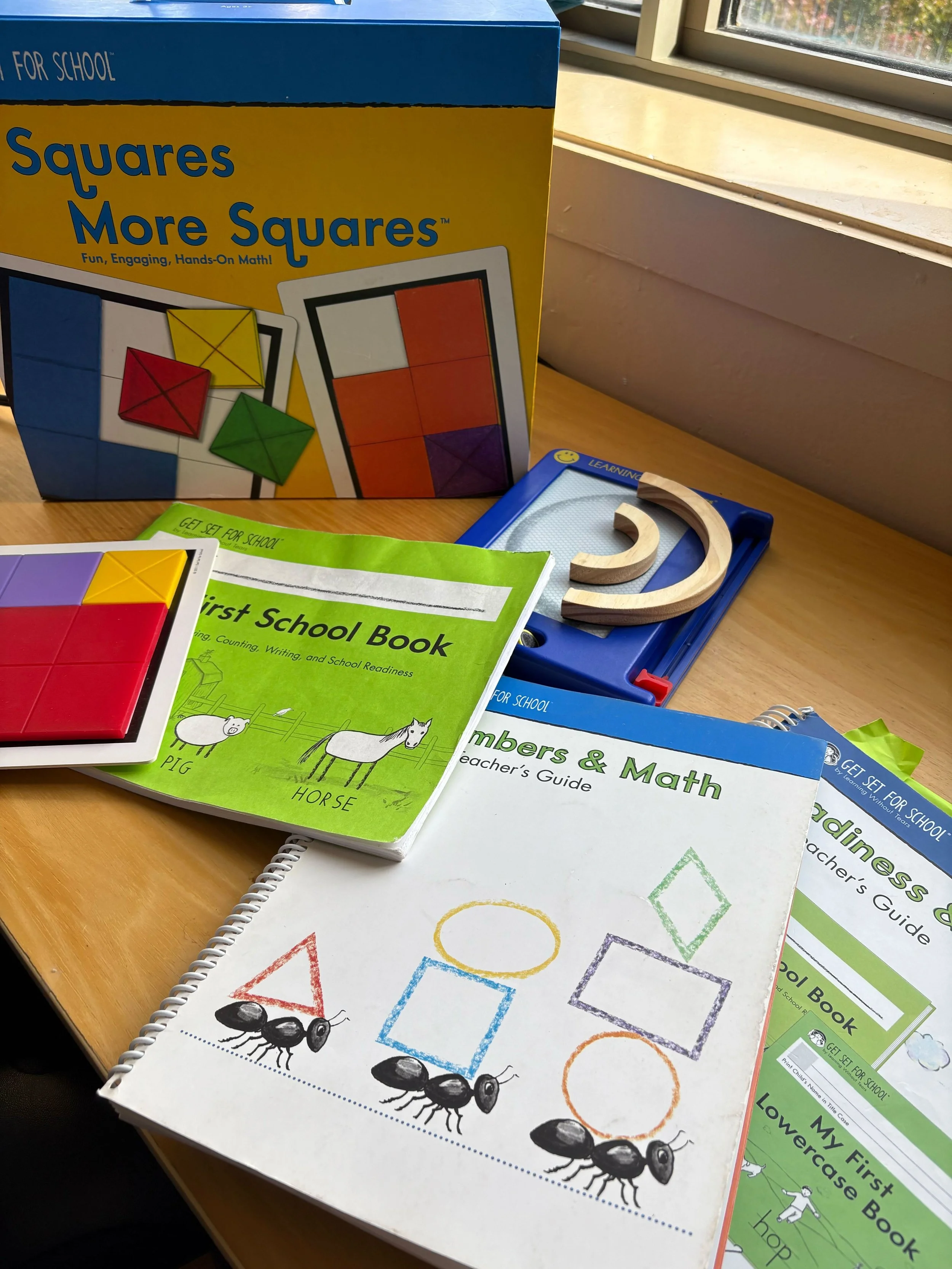
Strong, evidence-based Direct Instruction programs like Language for Learning and the University of Florida Literacy Foundations, along with personalized goals from the Autism Curriculum Encyclopedia (ACE).
-
Social-Emotional Learning woven through the day to build regulation, coping, and peer skills.
-
Enrichment through Music & Art to spark motivation and generalize skills.
-
Interdisciplinary oversight (RBA supervision; SLP weekly; OT monthly) for cohesive care.
-
School transition support to set up accommodations and smooth next steps.
THE TACT APPROACH
Structured, Joyful Learning
We combine clear routines with engaging activities so students feel safe, motivated, and ready to learn.
Family-Embedded
We equip caregivers with simple strategies to reinforce learning at home and in the community.
Data-Informed, Student-Centred
We track progress daily and adjust targets while following the learner’s strengths and interests.
Interdisciplinary Teaming
Led by learning specialists with ABA expertise, coordinated with RBA, SLP, and OT for aligned goals.
Generalization to School
Instruction maps to classroom expectations and includes active transition-to-school planning.
Assent-Based, Compassionate Practice
We prioritize student assent and well-being by using least-intrusive, trauma-informed approaches that keep learning respectful and motivating.
Frequently Asked Questions
-
Children ages 5–7 who are ready for small-group learning and meet basic prerequisites for safe participation in a small class with a ratio of 1:2 to 1:3 educators to children.
-
Monday to Friday, 9:00 a.m.–3:00 p.m. during the academic year (September–June), with extended summer services available.
-
Small class size with a low ratio (6 children : 3 educators).
-
We use a blend of evidence-based programs tailored to each child’s needs. Our curriculum includes the Autism Curriculum Encyclopedia (ACE) for foundational and readiness skills; Direct Instruction programs such as Learning Without Tears and UFLI for literacy and math; evidence-based social-emotional learning; and engaging music and art enrichment to support creativity and well-rounded development.
-
Learning specialists with ABA expertise, supervised by an onsite Registered Behaviour Analyst (RBA), with weekly SLP and monthly OT consultation.
-
Yes, we work with parents to find the next best fit for your child's education journey.
-
Current TACT students are referred by the clinical and education team; new families complete an intake assessment to determine eligibility.
CONTACT
Questions? Email info@autismtoronto.ca and a team member will respond promptly.