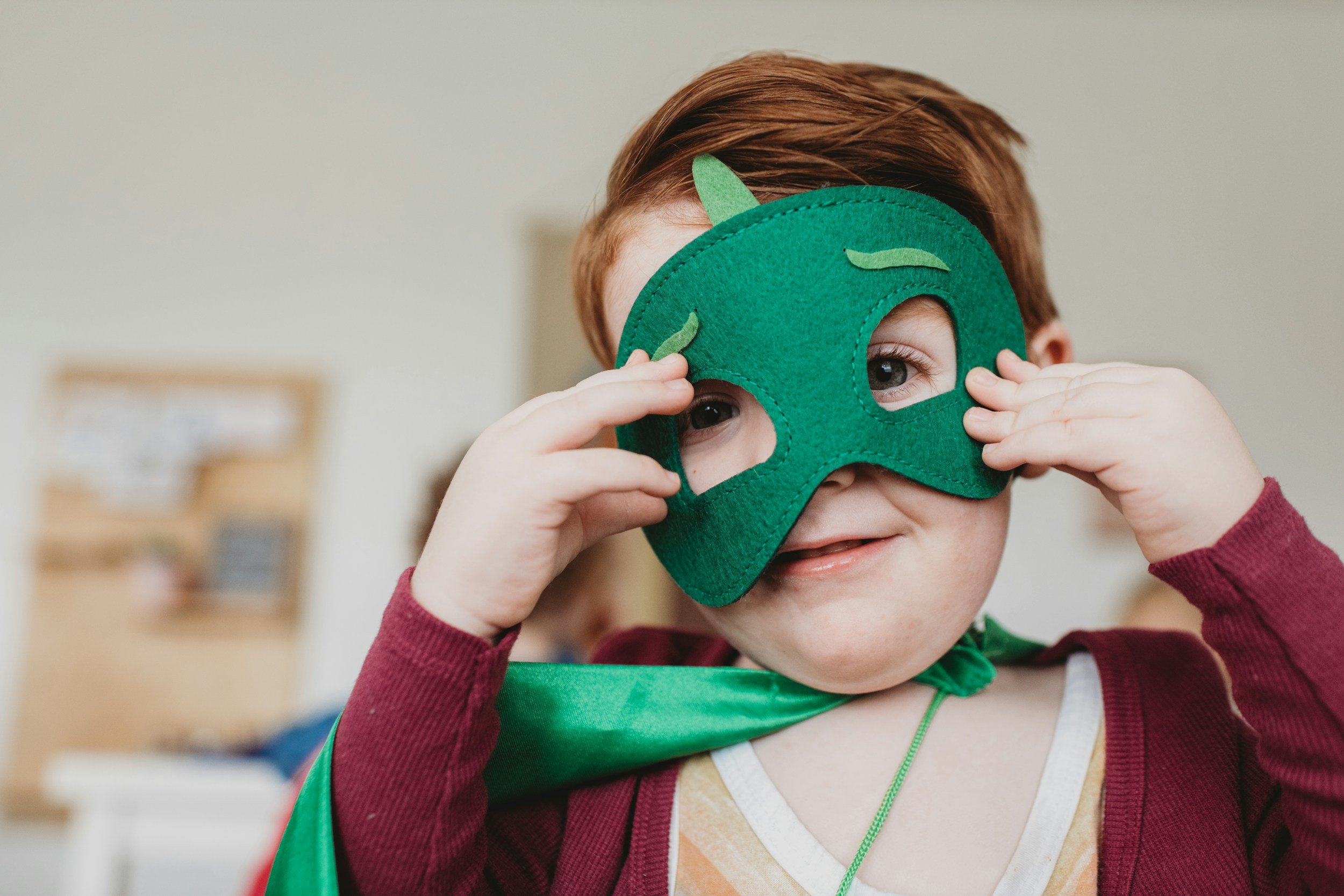
Early Intervention ABA Therapy
Play-based, goal-driven support that builds communication, social connection, and everyday independence tailored for children ages 2–5.
Program Overview
-
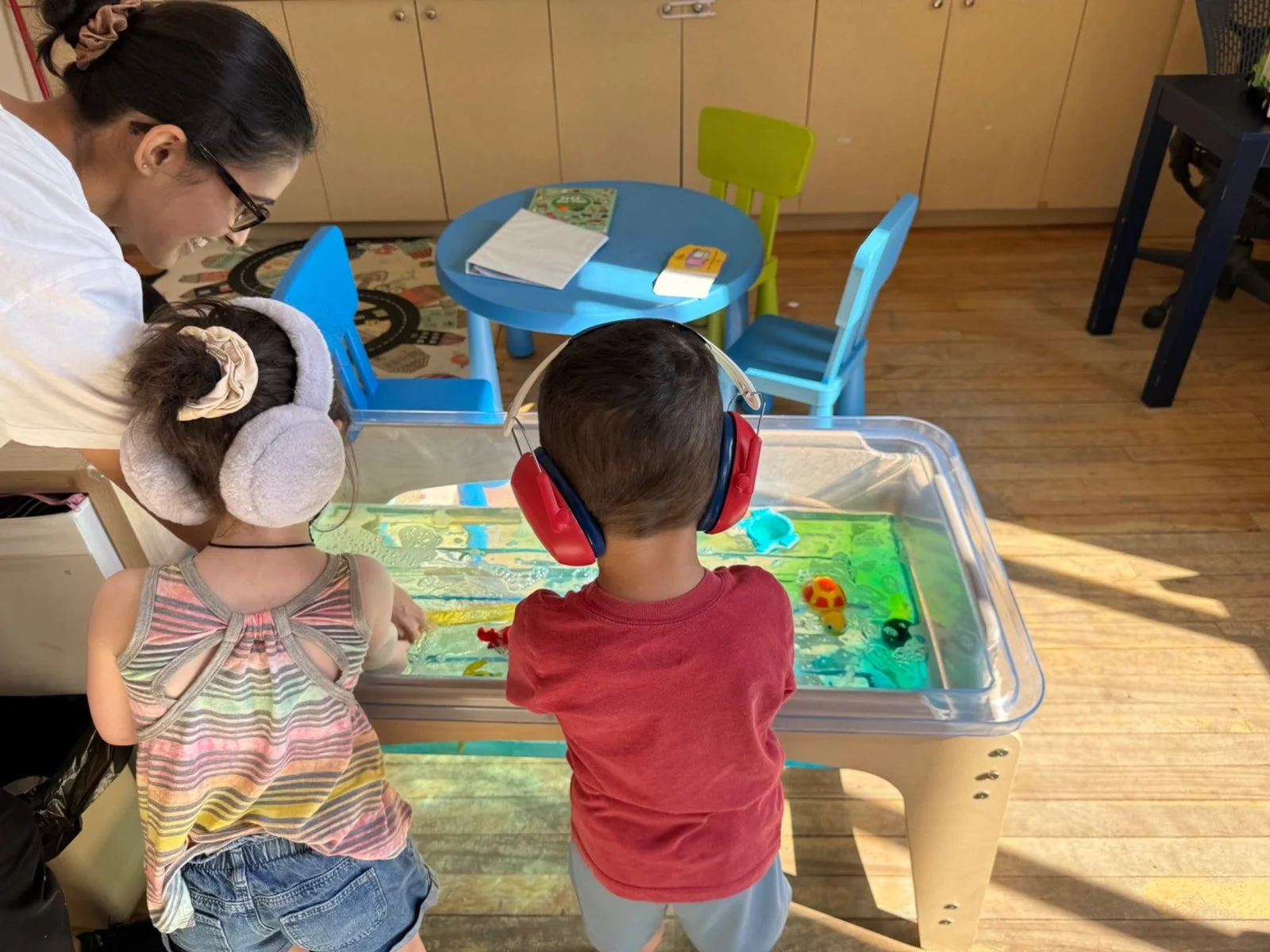
What is Early Intervention?
Early intervention provides individualized support for young children as soon as signs of autism appear. By focusing on communication, play, social interaction, and emotional regulation during the most important years of development, early intervention helps children build confidence, independence, and the skills they need to thrive at home, in school, and beyond.
-
What is ABA at TACT?
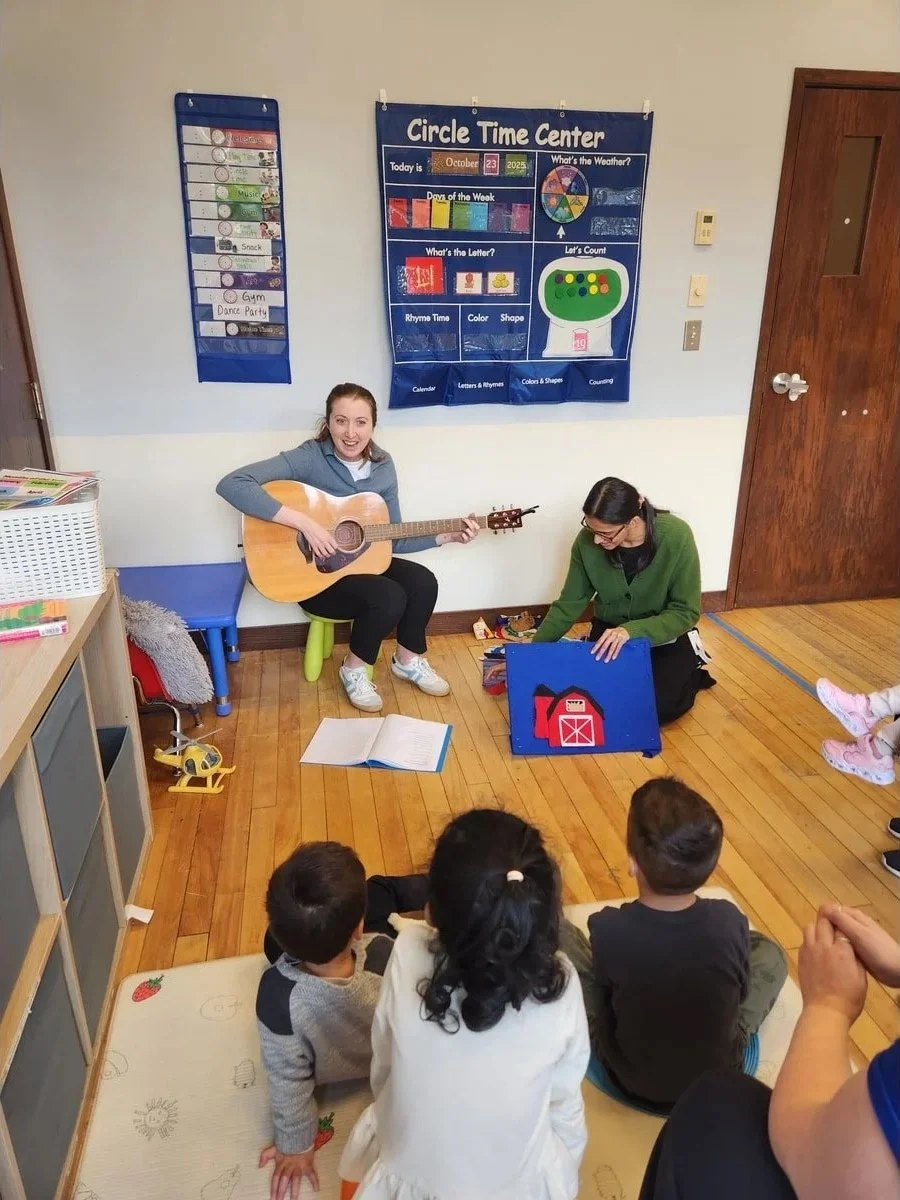
At TACT, ABA therapy is compassionate, evidence-based, and personalized to each child’s unique strengths and needs. Our highly qualified therapists create a joyful, play-based learning environment that encourages curiosity, connection, and confidence. We take a child-led, family-centered approach rooted in research and guided by respect and understanding for each child to ensure learning feels positive, meaningful, and lasting for every child and family.
-
What happens in sessions?
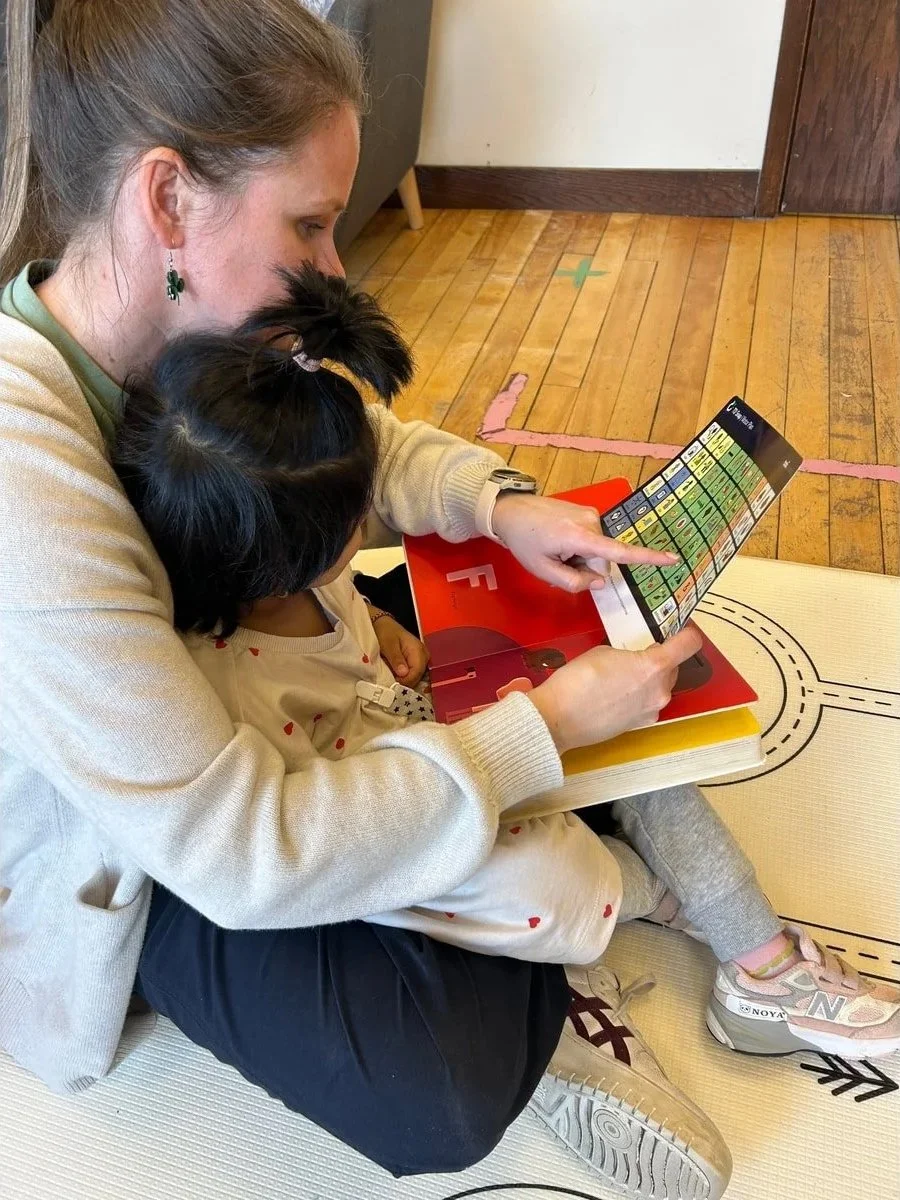
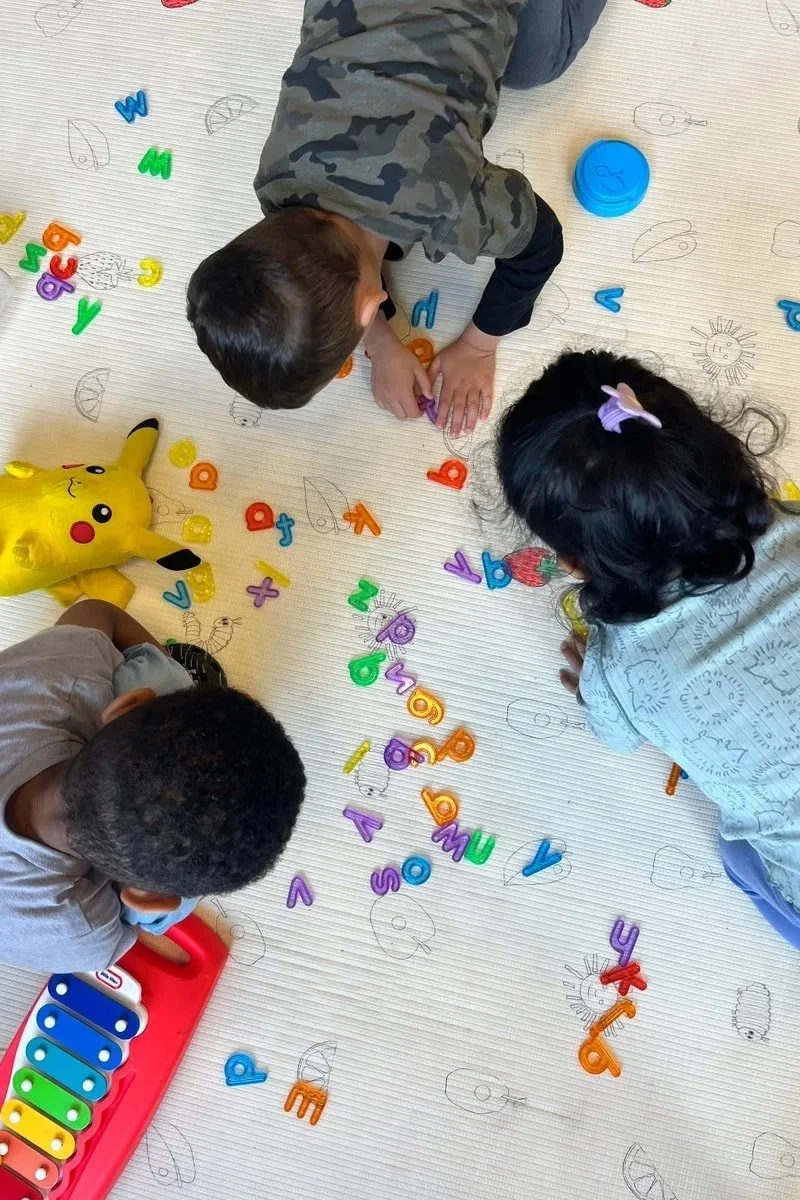
Your child will learn and grow in a classroom with peers of a similar age, supported by their own dedicated 1:1 therapist who truly understands their unique strengths and goals. We begin with a comprehensive skills assessment to identify areas of strength and need, then design an individualized program just for your child. In addition to 1:1 learning, children enjoy circle time, snack, music, play, and crafts, creating a balance of structured teaching and joyful, social experiences.
Program Snapshot:
Ages 2–5 • Full-day or Half-day • 1:1 & Small Groups • Clinical Supervision • Speech and Occupational Therapy • Monthly Progress Meetings • Caregiver Education

Benefits
-
We begin with comprehensive assessments such as the ACE Core Skills Assessment, Early Start Denver Model Assessment, and Verbal Behavior Milestones Assessment to understand each child’s strengths and areas for growth. Using this information, we design an individualized learning plan tailored to your child’s unique needs. We incorporate specialized, evidence-based curriculum, including The Autism Curriculum Encyclopedia (ACE), Preschool Life Skills, and AIM Explorers to create a rich and meaningful learning journey.
-
Through 1:1 and small-group instruction, children participate in structured learning activities designed to build foundational skills across multiple developmental domains. Skills are practiced and celebrated in a supportive setting.
-
Children develop the communication skills they need for daily life while learning how to connect and engage with others in meaningful ways.
-
Our therapists are trained in the Balance Program and Skills-Based Treatment, which are evidence based treatment approaches designed to teach children valuable skills promoting effective communication, flexibility and cooperation.
-
We help children develop independence and confidence in everyday routines like toileting, eating, and dressing.
-
Our programs run Monday to Friday, with schedule options to meet your family’s needs.
Full day: 9:00 a.m. – 3:00 p.m.
Morning half-day: 8:45 a.m. – 11:45 a.m.
Afternoon half-day: 12:30 p.m. – 3:00 p.m.
-
Parents work directly with a Registered Behaviour Analyst to learn practical strategies that help their child generalize skills from therapy to home and community settings.
-
We know that high-quality supervision leads to the best outcomes for children. Our fully onsite Registered Behaviour Analysts—each in good standing with the College of Psychologists and Behaviour Analysts of Ontario—provide expert supervision, clinical oversight, and ongoing support to ensure excellence in every child’s program.
-
We believe that interdisciplinary collaboration is essential to a comprehensive treatment approach. Our program includes consultation from qualified Speech-Language Pathologists and Occupational Therapists, ensuring a well-rounded understanding of each child’s needs. Direct speech and occupational therapy services are also available based on your child’s goals and level of support.
THE TACT APPROACH
Play-Powered Learning
We use play to teach big skills, so sessions feel engaging, safe, and motivating.
Family-Embedded
Caregivers learn simple, practical strategies to use at home, school, and in the community.
Data-Informed, Child-Led
We track progress carefully and adjust targets while following your child’s interests and cues.
Interdisciplinary Care
Supervised by a RBA, with consultation from Speech-Language Pathology and Occupational Therapy as needed.
Generalization First
Skills are practised across people, places, and activities so your child can use them in real life.
Assent-Based, Compassionate Practice
We prioritize student assent and well-being by using least-intrusive, trauma-informed approaches that keep learning respectful and motivating.
Frequently Asked Questions
-
Children ages 2–5 who will benefit from targeted support in communication, social interaction, regulation, and daily living skills.
-
Sessions are a blend of 1:1 teaching and small group activities. Schedules are designed to meet the needs of each child with opportunities for movement breaks to meet sensory needs.
-
Yes, both options are available. We’ll help you choose a schedule that matches your child’s needs.
-
A skills assessment will be completed with your child to help us identify goals that are meaningful and developmentally appropriate. These goals will focus on building communication, social skills, play skills, learning readiness, emotional regulation, and important self-help and safety skills.
-
We set individualized goals and collect data each session. Data informs the intervention effectiveness and is monitored by your child's RBA. Caregivers meet with the team monthly to review progress and plan next steps.
-
Yes. The program is supervised by an onsite Registered Behaviour Analyst (RBA), with SLP and OT consultation available.
-
Caregiver coaching is built into the program so strategies are easy to use at home and school.
-
1) Complimentary intake
2) Individual skills assessment
3) Begin your child’s personalized program
CONTACT
Questions? Email info@autismtoronto.ca and a team member will respond promptly.